Is a Heat Pump Right for Your Vermont Home? Pros, Cons & What to Know
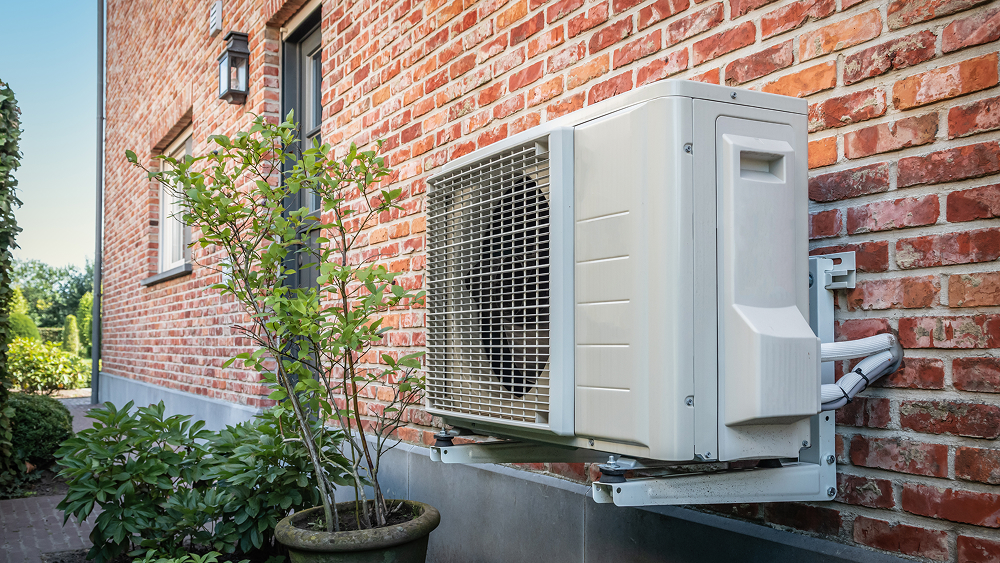
Heat pumps can be among the best home comfort upgrade decisions Vermont homeowners can make. Designed to both heat and cool your home, heat pumps offer an energy-efficient alternative to traditional furnaces and air conditioners. But are they the right choice for your home? Let’s take a look.
What Is a Heat Pump and What Types Are Available?
A heat pump works by transferring heat rather than generating it. In winter, it pulls heat from the outdoor air and moves it indoors; in summer, it reverses the process to cool your home. Modern systems are far more advanced than earlier generations and are now designed to perform efficiently even in colder climates
Homeowners typically choose from two main styles:
- Ducted heat pumps, which use existing ductwork to deliver consistent, whole-home comfort.
- Ductless (mini-split) systems, which provide zoned heating and cooling without ducts and are ideal for additions, older homes, or targeted comfort upgrades.
Both options can be tailored to your home’s layout, insulation, and heating needs.
Understanding what a heat pump is and how it works is the first step. The next is weighing the real-world pros and cons to see how it performs in Vermont homes throughout the year.
The Pros of Heat Pumps
Energy Efficiency
Heat pumps are known for their energy-efficient operation, especially during mild to moderate winter temperatures common throughout much of the heating season. By transferring heat rather than generating it, they use less energy than traditional electric heating systems and can help reduce overall energy consumption.
Year-Round Comfort
A heat pump provides both heating and cooling in one system, offering consistent comfort throughout the year. Many homeowners appreciate the steady indoor temperatures and improved humidity control compared to traditional heating and cooling equipment.
Potential Cost Savings
Because heat pumps use electricity efficiently, homeowners may see lower monthly energy costs over time—particularly in homes currently heated with oil, propane, or electric baseboard systems. Actual savings vary based on home size, insulation, and usage habits, but many Vermont homeowners find the long-term savings meaningful.
Environmental Benefits
Heat pumps do not burn fossil fuels on site, which helps reduce carbon emissions and supports cleaner energy use. For homeowners looking to lower their environmental impact, heat pumps offer a more sustainable approach to heating and cooling.
Available Incentives
Federal tax credits and regional rebate programs can help reduce the cost of installing a heat pump. These incentives make upgrading more accessible for many homeowners and can improve the overall return on investment.
The Cons to Consider
Cold-Weather Performance
Modern cold-climate heat pumps are designed to perform reliably in Vermont winters, but like any system, efficiency can vary during extended periods of extreme cold. During those colder stretches, the system may work harder to maintain comfort, which can affect energy usage. A properly sized and professionally installed heat pump helps ensure dependable performance throughout the season.
Upfront Installation Costs
Heat pumps typically involve a higher upfront investment than replacing a single heating system. Installation costs can vary depending on the type of system, the size of your home, and whether electrical upgrades are needed. Many homeowners find that long-term energy savings and available incentives help offset the initial cost over time.
Defrost Cycles During Winter Weather
During snowy or icy conditions, heat pumps periodically enter a defrost cycle to keep the outdoor unit operating efficiently. This is a normal part of winter operation and helps protect the system, though it may temporarily increase energy use during active storms.
System Noise
Today’s heat pumps are quieter than ever, especially compared to older models. While you may occasionally notice the outdoor unit running, proper placement and professional installation help minimize sound and ensure quiet, comfortable operation.
Is a Heat Pump Right for You?
Every home is different. The right solution depends on your home’s size, insulation, existing heating system, and comfort goals. A professional evaluation ensures your system is properly sized and designed for Vermont’s climate.At Lloyd Home Service, our team helps homeowners understand their options and choose heat pump systems that deliver reliable comfort year-round, with installation, maintenance, and repair services you can trust. Speak with an Expert today to find out if a heat pump is the right fit for your Vermont home.