
Frozen Pipes in Vermont: How to Prevent Costly Plumbing Emergencies This Winter
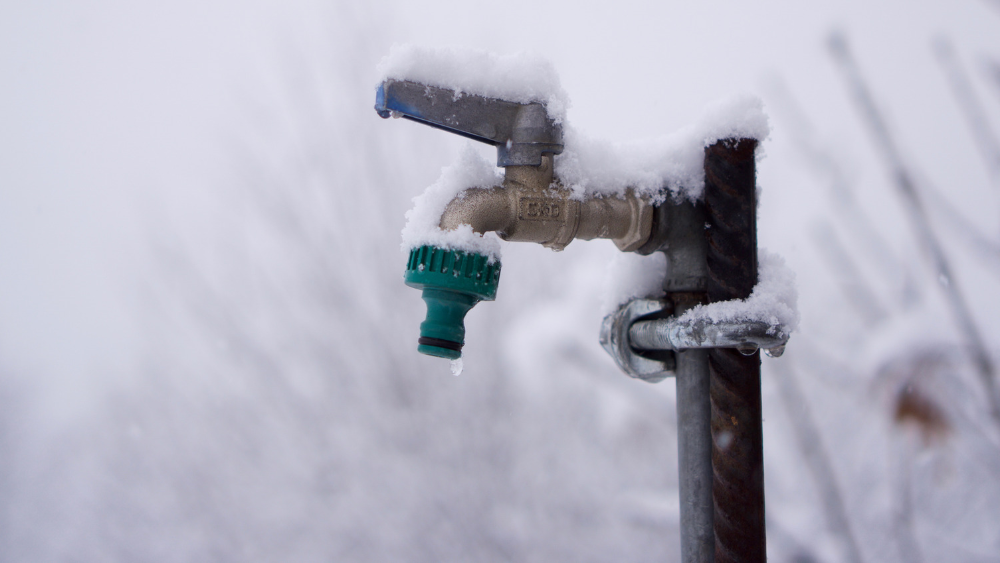
A faucet that barely trickles on a cold November morning may be more than an inconvenience. It could be the first sign that water is freezing inside a pipe.
For homeowners in Williston, VT, and throughout Central Vermont, preparing your plumbing is part of getting ready for winter. Knowing which pipes are vulnerable and how to respond when something seems wrong can help keep a frozen water line from becoming a costly repair. Here are some winter plumbing tips to get you started this season.
Why Are Frozen Pipes a Concern in Vermont?
Water expands as it freezes, putting pressure on the pipes containing it. Both metal and plastic pipes can break under that pressure. Pipes exposed to outdoor temperatures or located in unheated parts of a home are especially vulnerable.
A damaged pipe can release water as the ice thaws, soaking walls, flooring, insulation, and belongings. The resulting cleanup may extend well beyond the plumbing repair itself. Taking precautions before a prolonged cold spell helps reduce that risk.
Which Pipes Are Most at Risk?
Some plumbing receives less protection from the home’s heating system. Areas that deserve attention include:
- Unheated basements and crawl spaces, particularly near drafts or foundation openings.
- Exterior walls, including plumbing behind kitchen and bathroom cabinets.
- Garages and attics with exposed water supply lines.
- Outdoor faucets and hose connections that retain water after freezing weather arrives.
Both hot and cold water supply lines need protection in vulnerable locations. A pipe carrying hot water can still freeze between uses.
Seasonal homes and properties left vacant need additional planning. Without someone home to notice a heating failure or leak, a problem can continue undetected. Professional winterization or regular checks while the heat remains on can help protect an unoccupied property.
What Are the Warning Signs of Frozen Pipes?
A sudden reduction in water flow during freezing weather is a common warning sign. One faucet may produce only a trickle while others work normally, suggesting a problem along the line supplying that fixture. Frost on an exposed pipe is another reason to investigate.
These symptoms do not always mean a pipe is frozen. Low water pressure can have other causes, and a plumber can help identify the problem. Checking other faucets can help establish whether the issue affects one area or the entire home.
Water stains, dripping inside a wall, or visible leaking call for immediate attention. If a pipe appears damaged, shutting off the water supply—when safely accessible—can help limit damage while you arrange professional assistance.
How Can You Help Prevent Frozen Pipes?
A few preparations can make vulnerable plumbing better protected as temperatures fall.
Insulate exposed pipes. Properly fitted pipe insulation helps protect supply lines running through unheated areas. Recurring freezing problems may require a closer look at the surrounding space and how much warmth reaches the plumbing.
Disconnect outdoor hoses. Removing and draining garden hoses allows outdoor faucets to drain properly. Where a dedicated indoor shutoff serves an outdoor faucet, closing that valve and draining the line provides additional protection.
Seal cold drafts. Gaps around windows, doors, and utility openings can let freezing air reach nearby pipes, even when the rest of the house feels warm.
Maintain indoor heat. A consistent thermostat setting helps during severe cold. For homes left unattended, the American Red Cross recommends leaving the heat on at no lower than 55°F. Particularly vulnerable plumbing may need additional protection.
Allow warmth to reach enclosed plumbing. Opening cabinet doors beneath sinks on exterior walls helps room air circulate around pipes. Household cleaners should remain out of reach of children and pets. During extreme cold, a small trickle from a faucet supplied by vulnerable piping may also help prevent freezing.
What Should You Do If a Pipe Freezes?
First, look for signs of leaking or damage. If you suspect a burst pipe, turn off the water supply if you can safely reach the shutoff, and call a plumber.
For an accessible frozen pipe with no visible damage, gentle warming may restore flow. Keep the affected faucet open and use warm towels or a hair dryer, keeping electrical equipment away from water. Never use a torch or open flame.
Professional help is the next step when the frozen section is hidden, difficult to reach, or does not thaw. Watch for leaks as water flow returns, and shut off the supply if leaking develops.
Why Choose Lloyd for Your Winter Plumbing Needs?
Whether you are dealing with low water pressure, a leaking pipe, or concerns about plumbing before winter, Lloyd Plumbing, Heating, Air & Electrical provides professional plumbing assistance for homeowners in Chittenden, Orange, and Washington Counties.
Addressing a vulnerable line now can help prevent an unwelcome surprise during the next cold spell. When repairs are needed, identifying the cause also helps guide the next steps toward protecting your home.
Looking for a plumber in Williston, VT? Speak with an Expert at Lloyd to discuss your winter plumbing needs.