Is Your Electrical Panel Ready for a Vermont Winter? Signs It May Be Time for an Upgrade
As temperatures drop across Chittenden County, your home’s electrical system begins working harder. Heating equipment runs more frequently, lights stay on longer, and households may rely on space heaters, electric blankets, humidifiers, and other seasonal appliances.
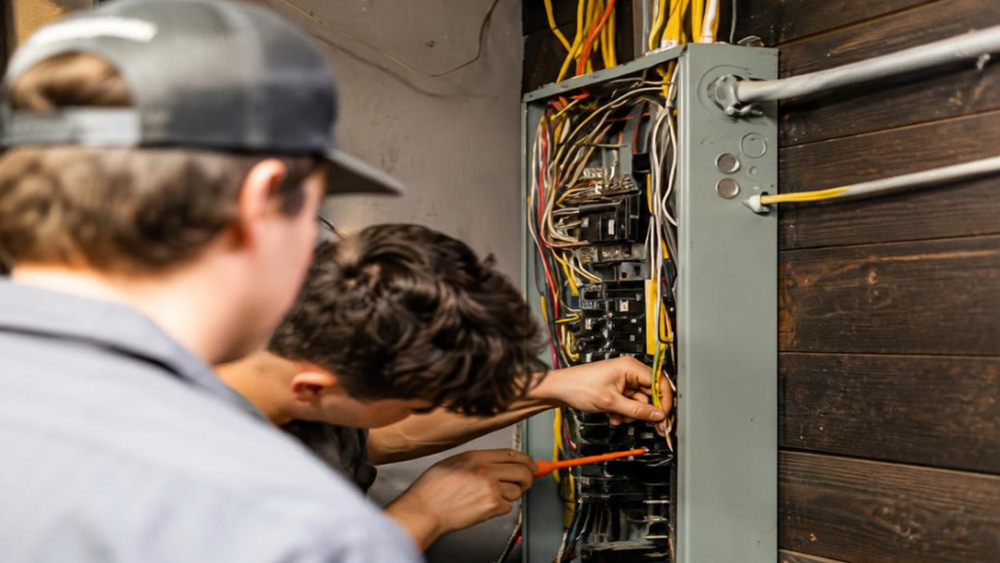
Your electrical panel is responsible for safely distributing power throughout your home. If it is outdated, undersized, or showing signs of trouble, the added demands of a Vermont winter can bring existing problems to the surface.
Here are several warning signs that your electrical panel may need professional attention, and possibly an upgrade.
1. Your Breakers Trip Frequently
Circuit breakers are designed to trip when a circuit becomes overloaded or another electrical problem occurs. An occasional trip may happen when too many appliances are operating on the same circuit. Frequent trips, however, should not be ignored.
If a breaker repeatedly trips when you use a space heater, microwave, hair dryer, or another high-demand appliance, your electrical system may not have enough capacity for your household’s needs. The problem could also involve faulty wiring, a damaged circuit, or an issue with the breaker itself.
Continually resetting the breaker does not address the underlying cause. A licensed electrician can determine why it is tripping and recommend the appropriate repair or upgrade.
2. Your Lights Flicker or Dim
Do the lights dim when your heating system starts? Do they flicker when you turn on an appliance? These changes may indicate that a circuit is overloaded or that your electrical panel is struggling to handle sudden increases in demand.
A single flickering bulb may simply need to be tightened or replaced. Flickering or dimming that occurs throughout the house, or regularly happens when equipment turns on,deserves a closer look.
Winter often makes this problem more noticeable because heating systems and seasonal appliances place additional demands on the home’s electrical system.
3. You Notice Buzzing, Heat, or a Burning Smell
Your electrical panel should operate quietly and should not feel unusually warm or produce a burning odor.
Buzzing, crackling, excessive heat, discoloration, scorch marks, or the smell of burning plastic may signal a loose connection, damaged breaker, overheating wire, or another potentially serious electrical problem. Never remove the panel cover or attempt to investigate the wiring yourself.
If you see smoke or believe there is an immediate fire risk, leave the home and call 911. Otherwise, stop using the affected equipment if you can do so safely and contact a licensed electrician as soon as possible.
4. Your Home Has an Older Electrical Panel
Older homes often have plenty of character, but their electrical systems may have been designed for a very different time. Decades ago, homeowners did not typically power today’s number of appliances, electronics, heating systems, chargers, and other electrical equipment.
An older panel is not automatically unsafe simply because of its age. However, it may have limited capacity, outdated components, or years of wear that should be professionally evaluated. In some homes, previous renovations may also have added new circuits without fully addressing the capacity of the overall system.
An electrical inspection can help determine whether the existing panel still meets the home’s needs or whether an upgrade would improve safety and reliability.
5. You Are Adding a Heat Pump or EV Charger
Major home improvements can significantly change your electrical needs. Installing a heat pump, electric vehicle charger, hot tub, electric water heater, induction range, or other high-demand equipment may require more power than your current panel can safely provide.
Before adding new equipment, it is important to confirm that the panel has adequate capacity and space for the necessary circuits. Planning ahead can prevent delays during installation and reduce the risk of overloaded circuits later.
Even when a complete panel replacement is not necessary, other electrical improvements may be needed to support the new equipment safely.
6. You Rely on Extension Cords or Power Strips
Extension cords and power strips can be useful for temporary needs, but they should not take the place of permanent wiring. If your household regularly depends on them because there are not enough outlets, or because certain circuits cannot handle your appliances, it may be a sign that the electrical system no longer fits the way you use your home.
This can become especially concerning during winter, when portable heaters and other high-wattage devices are added to the mix. Space heaters should be plugged directly into an appropriate wall outlet and used according to the manufacturer’s instructions, never with an extension cord or overloaded power strip.
An electrician can assess whether additional outlets, dedicated circuits, or a panel upgrade would provide a safer long-term solution.
Why Choose Lloyd Plumbing, Heating, Air & Electrical?
When it comes to your home’s electrical system, experience and dependable service matter. Lloyd’s licensed electricians can assess your electrical panel, identify potential concerns, and explain your options clearly, whether you need a simple repair, additional circuits, or a complete panel upgrade.
Addressing warning signs early gives you time to have the system evaluated before you are depending heavily on it.
Speak with an Expert at Lloyd Plumbing, Heating, Air & Electrical.