Smart Tips Every Vermont Homeowner Needs to Prevent Frozen Pipes and Plumbing
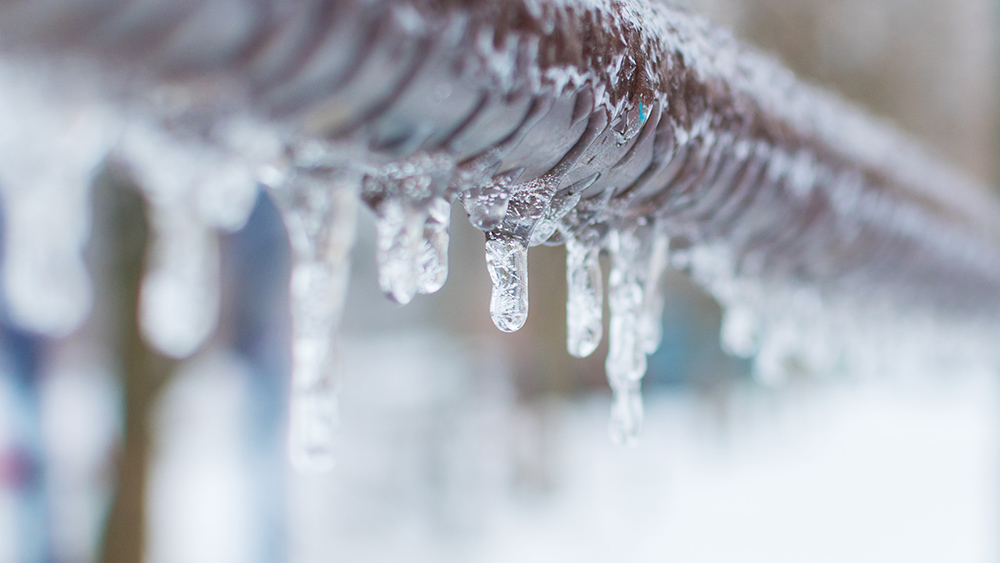
When winter settles over Chittenden, Orange, and Washington Counties, it brings more than frigid mornings and icy driveways. In Vermont’s northern climate, frozen pipes remain a real threat hidden inside the walls, crawlspaces, and basements of thousands of homes.
Frozen pipes don’t just stop water flow. They can burst, flood your home, damage your foundation, and lead to costly repairs. But, with a bit of planning and a few simple steps, most winter plumbing emergencies can be prevented long before the temperature drops.
Where Frozen Pipes Strike First
Most freeze-ups happen repeatedly in the same problem areas, especially in older homes, farmhouses, mobile homes, and rural properties with well systems. The biggest risk zones include:
- Outdoor lines such as hose bibs, pool supply lines, and sprinkler systems.
- Pipes in unheated interior spaces like basements, crawlspaces, garages, attics, and mudrooms.
- Kitchen or bathroom pipes inside cabinets along exterior walls.
- Poorly insulated areas in older Vermont homes, where wall insulation may be thin or outdated.
- Well pump houses and exposed supply lines connecting the wellhead to the home.
If your home fits any of these scenarios, taking preventive action now is crucial.
Before the Cold Arrives, Strengthen Your Home’s Defenses
Most winter pipe failures happen because the home wasn’t fully prepared before the first arctic blast. Here’s how to safeguard your plumbing system early:
1. Winterize Outdoor Plumbing
Drain hoses and store them indoors. Install faucet covers to protect outdoor spigots from wind and ice. If you have pool lines or irrigation systems, follow your installer’s winterization instructions. Never add antifreeze unless directed, as it is harmful to pets, wildlife, and landscaping.
2. Insulate Vulnerable Pipes
Walk through your home and look for water supply lines in unheated areas. Even hot water lines can freeze if temperatures drop far enough. Use pipe sleeves, UL-listed heat tape, or heat cables to protect exposed plumbing. For a budget-friendly stopgap, even layers of newspaper can offer light insulation.
3. Seal Drafts and Improve Home Insulation
Cold air loves to sneak into basements, crawlspaces, and rim joists. Sealing cracks, adding insulation, and wrapping problem areas can significantly reduce freeze risks.
4. Know Where Your Main Water Shut-Off Valve Is
This is one of the most important winter safety steps. In the event of a burst pipe, shutting off water quickly can prevent thousands of dollars in damage.
When Temperatures Drop, Stay Ahead of Freeze Risks
Once winter is in full force, small habits can prevent major disasters:
- Keep garage doors closed if water lines run through the garage.
- Open kitchen and bathroom cabinets to let warm air circulate around pipes.
- Maintain a steady indoor temperature, even at night—lowering it can increase freeze risk.
- Set the thermostat no lower than 55°F if traveling.
- Let a slow drip run from faucets connected to vulnerable lines during severe cold snaps.
- Check your well house or pump house regularly to ensure heat sources are working safely.
These small steps can be the difference between a minor inconvenience and a burst pipe emergency.
If a Pipe Freezes, Here’s How to Thaw It Safely
If you turn on a faucet and only a trickle comes out, you likely have a frozen line. Act quickly and safely:
- Keep the faucet on so melting ice can flow through.
- Apply gentle heat using a hair dryer, electric heating pad, space heater, or warm towels.
- Never use open flames, which are extremely dangerous and can ignite surrounding materials.
- Continue heating until full flow returns.
If you can’t locate the frozen section, can’t access it, or can’t restore water flow, call a licensed plumber. And if a pipe bursts and you see flooding, shut off the water immediately and call for help.
Also, check other faucets. If one pipe freezes, others may be close behind.
Why Homeowners Across Vermont Call Lloyd Plumbing, Heating, Air, Electrical
Harsh winters are a fact of life in Vermont, and having a trusted plumbing partner matters. Lloyd Plumbing, Heating, Air, Electrical understands the freeze challenges Vermont families battle every winter because our team has spent years diagnosing and fixing the same cold-weather trouble spots throughout the region.Whether you need freeze prevention advice, help thawing a stubborn line, or support after a pipe burst, our experts treat your home with the care and attention it deserves. Speak with an Expert at Lloyd Plumbing, Heating, Air, Electrical today.